

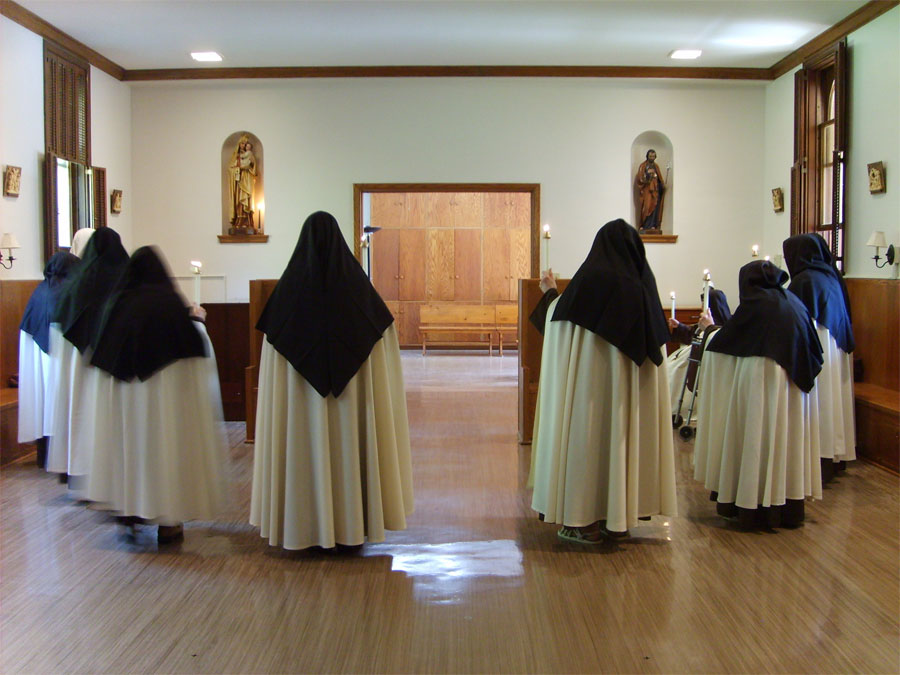
We Lovingly Offer our Prayers for You
The cloistered Carmelite Sisters of Rochester New York have adopted our parish.
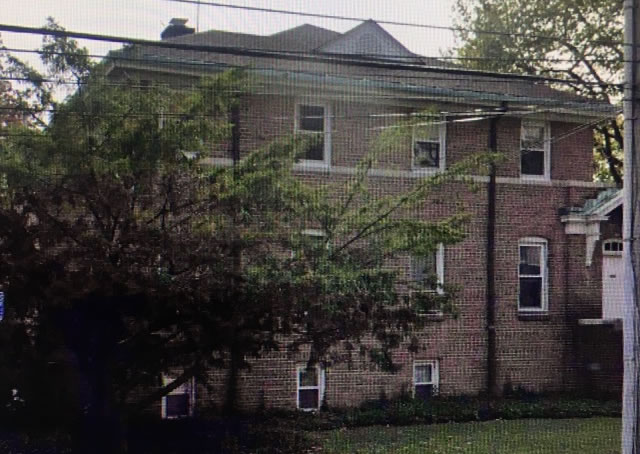
Sisters of Life
St. Paul the Apostle Convent is home to a community of the Sisters of Life.
Announcements & Events
-
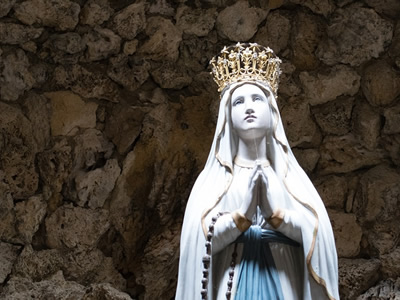
Become a Legion of Mary Member
The Legion of Mary is inviting new members to help serve our parish and bring souls to Christ.
-

Religious Education Registration Is Still Open
Register through our website or pick up a registration form at the back of the church.
-

Scout Christmas Wreath Fundraiser
Support St. Paul’s Scout Troop 47 by purchasing a Christmas wreath.
-
The Mass book for 2027 is open.
You may submit your requests through our email at stpaulyonkers@gmail.com or call the rectory before 12:00pm.
-
Charismatic Prayer Group
Celebrate 50 years of faith and fellowship with the St. Paul the Apostle Charismatic Prayer Group.
-
The Bible Timeline: The Story of Salvation
Wednesdays 7:00-9:00pm OR Thursdays 10:00-11:30am
-

Christianity and the Age of AI
Join us at St. Joseph’s Seminary for the 2026 Fall Academic Lecture: “Christianity and the Age of AI: Exploring the DELTA Framework for Understanding Powerful AI.”
-

Weekly Friday Adoration
Our Lord will be exposed on the altar for an hour every Friday morning from 9:30-10:30am. The hour will begin with a recitation of the Rosary followed by silent prayer.
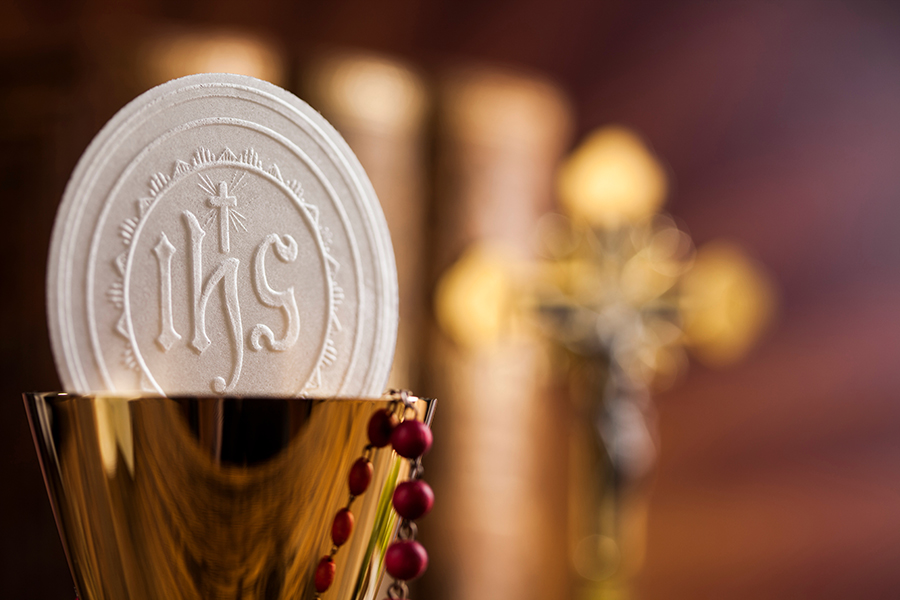
Christ & the Jewish Feasts of Passover, Yom Kippur
10-25-2026According to the plan of our Lord, the Catholic religion is the fulfillment of the promises made to Abraham and the fulfillment of the Law and the Prophets. This is exemplified by the fulfillment of two major Jewish feast days: the Passover and Yom Kippur, the Day of Atonement. We hear the Passover recalled during Lent and this involved the deliverance of the people of Israel from slavery in Egypt and to be brought to the Promised Land. Christian commentary views this as also pointing to the deliverance of the human race, Jews and Gentiles, from the slavery to sin and set on the road to the Promised Land of intimacy and friendship with God in the life of heaven. The crossing of the Red Sea and the passing through its waters is seen as a sign of baptism, the entry point of this deliverance from sin.
READ MOREFrom the Desk of Fr. Villa
St. Paul the Apostle Parish Mission
The Parish of Saint Paul Apostle under the guidance of the Holy Spirit informs the response of the believer to the presence of Jesus through conversion. In this process strengthened and maintained by prayer, worship and catholic action, individuals become Christ in this twenty first century.
At Sunday Eucharist all gather to hear God’s Word in the Scriptures. Gradually an understanding of life’s make-up deepens and the rich meaning of living through union with Jesus opens a fuller connection to His focal work at Calvary. Through God’s unfolding grace the purpose of faith is being fulfilled by our incorporation with Him in our Eucharistic – “this holy and perfect sacrifice: the bread of life and the cup of eternal salvation.” Conversion or being awakened to the mystery of His Death and Resurrection calls for the essential supports necessary to live out this process. Through prayer the Holy Spirit accommodates believers to the revelation of the Loving Father whom Jesus introduces. Worship offers depth of awe reflected in the love of the Father, Son and Holy Spirit. Catholic action flows from the desire to make God’s Love real to others in this life.
Our Patron Saint
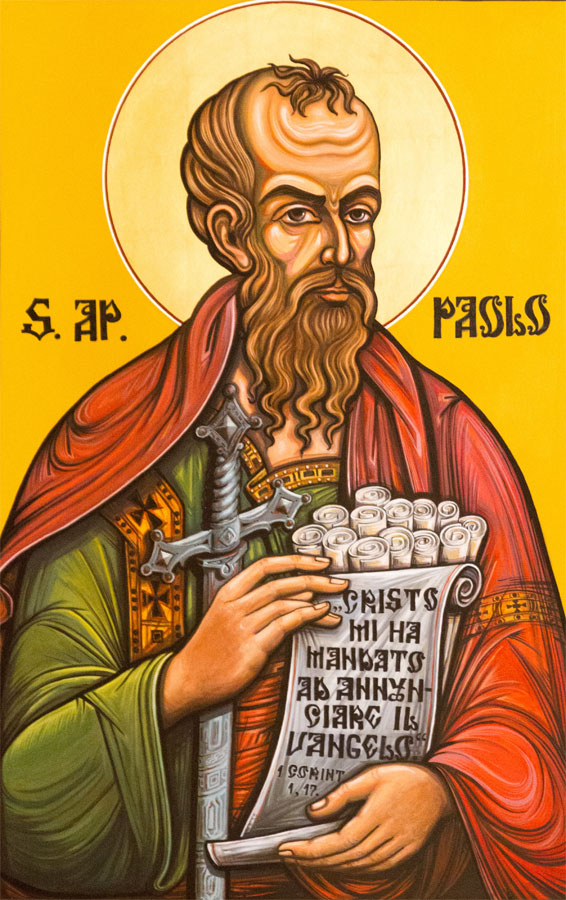
Paul the Apostle commonly known as Saint Paul and also known by his Hebrew name Saul of Tarsus was an apostle (although not one of the Twelve Apostles) who taught the gospel of Christ to the first-century world. Paul is generally considered one of the most important figures of the Apostolic Age and from the mid-30s to the mid-50s AD he founded several Christian communities in Asia Minor and Europe. He took advantage of his status as both a Jew and a Roman citizen to minister to both Jewish and Roman audiences.
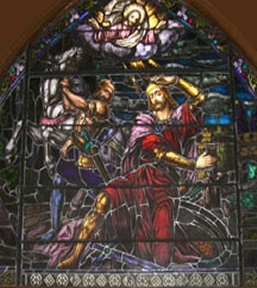
According to the New Testament book Acts of the Apostles (often simply called Acts), Paul persecuted some of the early disciples of Jesus, possibly Hellenised diaspora Jews converted to Christianity, in the area of Jerusalem prior to his conversion. In the narrative of Acts, Paul was traveling on the road from Jerusalem to Damascus on a mission to "arrest them and bring them back to Jerusalem" when the resurrected Jesus appeared to him in a great light. He was struck blind, but after three days his sight was restored by Ananias of Damascus and Paul began to preach that Jesus of Nazareth is the Jewish Messiah and the Son of God. Approximately half of the book of Acts deals with Paul's life and works.
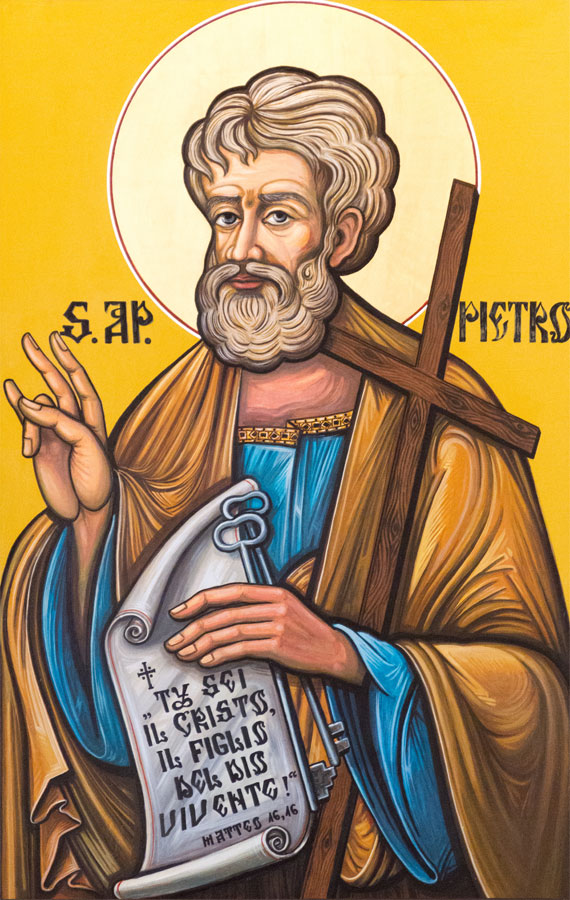
In Catholic tradition whoever has St. Paul the Apostle as patron also has St. Peter the Apostle as patron as well. In the traditional liturgy on a feast or votive Mass of St. Paul a prayer to St. Peter is always added and vice versa.