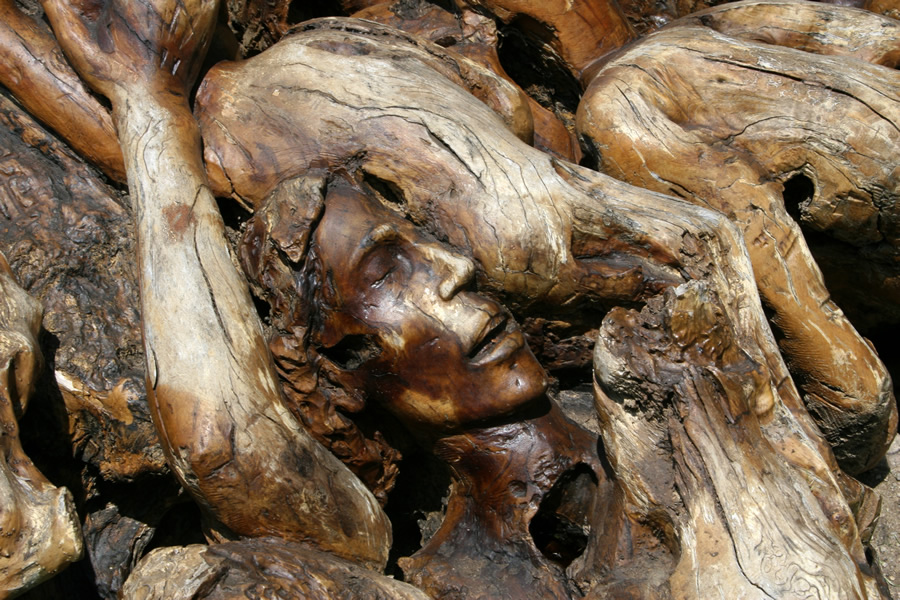
The Four Last Things: Death, Judgment, Heaven, Hell
11-02-2025Weekly ReflectionFr. Leonard F. VillaIn November the parish priest is counseled to teach about the four last things: death, judgment, heaven, hell. The absolute definition of death is the separation of the immortal soul from the body. This is a temporary situation. Upon death, that person is judged immediately. This is called the particular judgment, that is, particular to that person. There will be a general judgment, when Christ returns to judge all the living and the dead. Evil will be completely defeated and Christ’s kingdom completely established. This is also known as the Day of the Lord or simply “the Day.” At that time human beings will be reunited with their bodies in the general resurrection: some to eternal life, some to eternal punishment. This judgment will come at the end of the world and only God knows the day and the hour.
Heaven: By “heaven” is meant the state of supreme and definitive happiness. Those who die in the grace of God and have no need of further purification are gathered around Jesus and Mary, the angels and the saints. They thus form the Church of heaven, where they see God “face to face” (1 Corinthians 13:12). They live in a communion of love with the Most Blessed Trinity, and they intercede for us.
Purgatory: Purgatory is the state of those who die in God’s friendship, assured of their eternal salvation, but who still have need of purification to enter the happiness of heaven. NOTE: Nothing unclean can enter the Presence of God in heaven. The Great Commandment is that we love the Lord our God, with all our heart, soul, mind, and strength. There can be no sin or attachment to sin when we leave this earth to see God face to face. God in His mercy allows for the purification of our love for Him after death. This state of being purified after death is called Purgatory. All those being purified will go to heaven. The elect in Purgatory form part of the Communion of the Saints with the Church on earth and the saints in heaven.
Hell: Yes, there is Hell. Hell consists in the eternal damnation of those who die in mortal sin through their own free choice. The principal suffering of hell is eternal separation from God in whom alone we can have the life and happiness for which we were created and for which we long. Christ proclaimed this reality with the words, “Depart from me, you cursed, into the eternal fire” (Matthew 25:41). God, while desiring “all to come to repentance” (2 Peter 3:9), nevertheless has created the human person to be free and responsible; and he respects our decisions. Therefore, it is the human person who freely excludes himself from communion with God if, upon of death, he/she persists in mortal sin and refuses the merciful love of God.
NOTE: Satan and the other demons, about which Sacred Scripture and the Tradition of the Church speak, were spirits, created good by God. They were, however, transformed into evil because with a free and irrevocable choice they rejected God and his Kingdom, thus giving rise to the existence of hell. They try to associate human beings with their revolt against God. However, God has wrought in Christ a sure victory over the Evil One.
NOTE: One commits a mortal sin when there are simultaneously present: grave (serious) matter, full knowledge, and deliberate (full) consent. This sin destroys charity in us, deprives us of sanctifying grace, and, if unrepented, leads us to the eternal death of hell. It can be forgiven in the ordinary way by means of the sacraments of Baptism and of Penance or Reconciliation. One commits a venial sin, which is essentially different from a mortal sin, when the matter involved is less serious or, even if it is grave, when full knowledge or complete consent are absent. Venial sin does not break the covenant with God, but it weakens charity and manifests a disordered affection for created goods. It impedes the progress of a soul in the exercise of virtues and in the practice of moral good. It merits temporal punishment which purifies.
NOTE: To receive Holy Communion, one must be fully incorporated into the Catholic Church and be in the state of grace, that is, not conscious of being in mortal sin. Anyone who is conscious of having committed a grave sin must first receive the sacrament of Reconciliation before going to Communion. Also important for those receiving Holy Communion are a spirit of recollection and prayer, observance of the fast prescribed by the Church, and an appropriate disposition of the body (gestures and dress) as a sign of respect for Christ.
NOTE: All grave (mortal) sins not yet confessed, which a careful examination of conscience brings to mind, must be brought to the sacrament of Penance. The confession of serious sins is the only ordinary way to obtain forgiveness. Each of the faithful who has reached the age of discretion is bound to confess his or her mortal sins at least once a year and always before receiving Holy Communion.
NOTE: The acts of preparation for Confession are: careful examination of conscience; contrition (or repentance); which is perfect when it is motivated by love of God and imperfect if it rests on other motives and which includes the determination not to sin again; confession, which consists in the telling of one’s sins to the priest; and satisfaction or the carrying out of certain acts of penance which the confessor imposes upon the penitent to repair the damage caused by sin.
NOTE: Repairing the damage caused by sin is aided by indulgences, which can fully heal the damage or partially heal the damage. Indulgences are the remission before God of the temporal punishment due to sins whose guilt has already been forgiven. The faithful Christian who is duly disposed gains the indulgence under prescribed conditions for either himself or the departed. Indulgences are granted through the ministry of the Church which, as the dispenser of the grace of redemption, distributes the treasury of the merits of Christ and the Saints to heal the wounds of our sins.
BACK TO LIST